
How Can You Improve Your Gum Health?
Oct 19, 2026
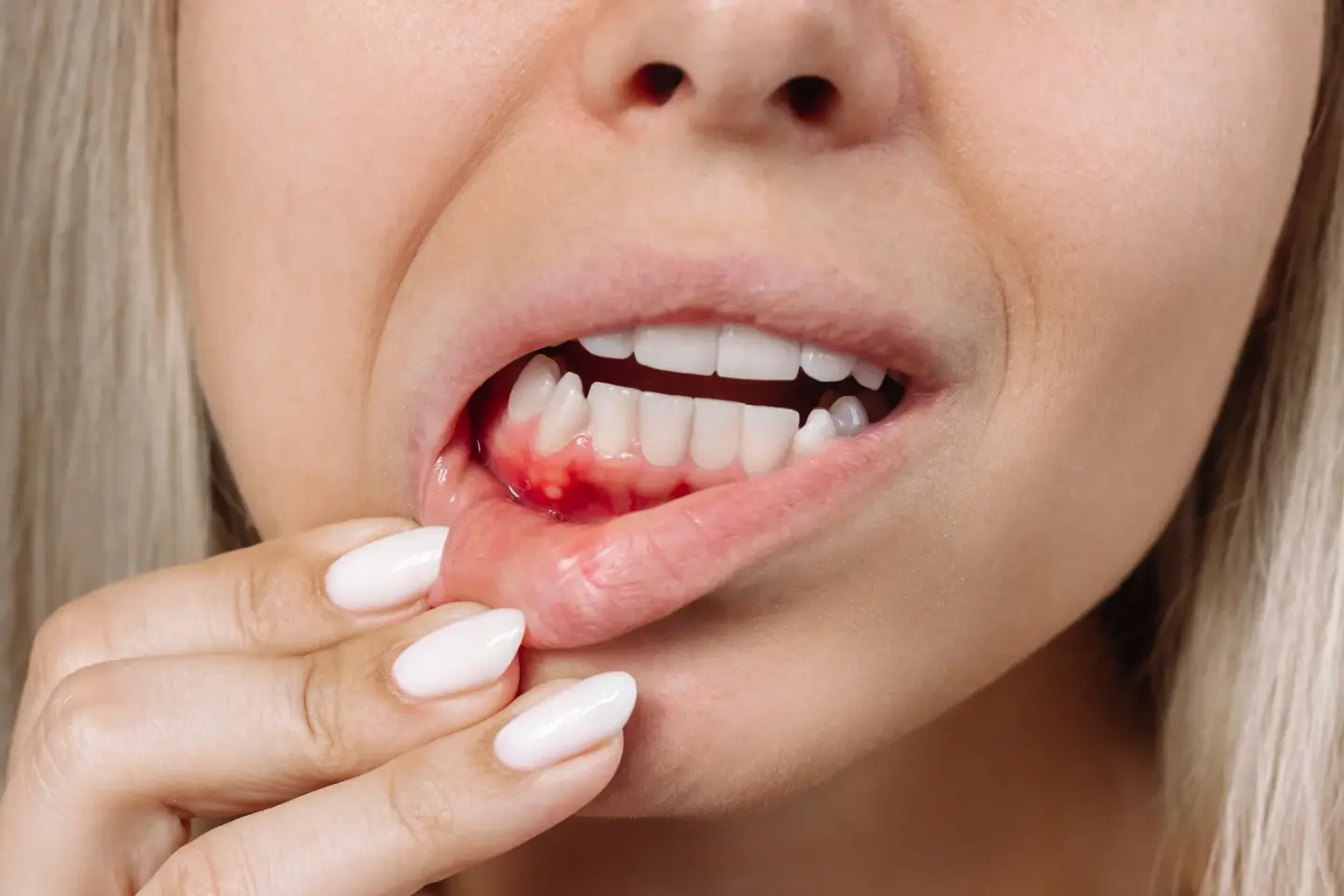
Most people think about their teeth first and their gums second, but healthy gums are the foundation everything else rests on. If your gums are inflamed, receding, or bleeding, no amount of whitening or straightening is going to give you the smile you are hoping for. The good news is that gum health responds fairly quickly to the right habits, and catching problems early almost always means a simpler, less invasive path back to normal.
If you have noticed puffiness along your gumline, a little blood in the sink after brushing, or gums that seem to be pulling away from your teeth, it is worth pausing here. This guide walks through what healthy gums actually look like, what tends to go wrong, and what you can do about it, including when it is time to talk to a professional about gum disease treatment in Springfield, MA.
What Do Healthy Gums Actually Look Like?
Healthy gum tissue is usually a consistent pale pink, though some natural variation in color is normal depending on your complexion. It should feel firm, sit snugly around each tooth, and not bleed when you brush or floss.
Gums that are unhealthy tend to look darker red or almost purple, feel puffy or tender, and bleed with light pressure. Some people also notice their gums pulling back slightly, which can make teeth look longer than they used to. None of these changes happen overnight. They build up gradually, which is exactly why so many people miss the early signs until the problem has progressed.
What Causes Gum Problems in the First Place?
The short version is plaque. Plaque is a soft, sticky film of bacteria that forms on teeth constantly, and if it is not cleaned away consistently, it irritates the gum tissue and eventually hardens into tartar, which a toothbrush cannot remove on its own. Left alone, this irritation can progress from mild gingivitis into more serious gum disease that affects the bone supporting your teeth.
A few other factors tend to make gum problems more likely or more severe:
- Smoking or vaping, which limits blood flow to gum tissue and slows healing
- Hormonal changes, including pregnancy and menopause
- Certain medications that reduce saliva flow
- Diabetes and other conditions that affect the body's inflammatory response
- Genetics, since some people are simply more prone to gum inflammation than others
- Poor-fitting dental work that traps food and plaque
Understanding your own risk factors makes it easier to know where to focus your effort, whether that is a change in brushing technique or a conversation with your dentist about an underlying health condition.
Daily Habits That Genuinely Support Gum Health
You do not need an elaborate routine to keep your gums in good shape. A few consistent habits go a long way.
Brushing twice a day with a soft-bristled brush, angled gently toward the gumline, clears away the plaque before it has a chance to harden. Flossing once a day reaches the areas a toothbrush cannot, particularly the tight spaces between teeth where plaque tends to collect unnoticed. An antimicrobial or fluoride mouthwash can add an extra layer of protection, though it should never replace brushing and flossing.
Diet plays a bigger role than most people expect. Sugary and starchy foods feed the bacteria that irritate gum tissue, so cutting back where you can makes a real difference. Foods high in vitamin C, like citrus fruits and leafy greens, support the collagen that keeps gum tissue strong, while crunchy vegetables help clean the surface of your teeth naturally as you chew.
Staying hydrated matters too, since saliva is one of your mouth's natural defenses against bacteria. And if you smoke, cutting back or quitting is one of the single most effective things you can do for your gums, since smoking is closely tied to both the development and progression of gum disease.
When Home Care Is Not Enough
There is a point where brushing and flossing more diligently will not undo the damage that has already occurred, and that is when professional care becomes necessary. If your gums bleed regularly, feel consistently sore or swollen, or if you notice persistent bad breath that does not go away with better hygiene, those are signals worth taking seriously.
A dentist or dental hygienist can perform a deep cleaning, often called scaling and root planing, to remove tartar buildup from below the gumline that a regular cleaning cannot reach. In more advanced cases, additional gum disease treatment in Springfield, MA may be recommended to help stabilize the tissue and prevent further bone loss around the teeth. The specific approach depends on how far the condition has progressed, which is something your dentist can evaluate during an exam.
Over-the-counter products like antiseptic rinses and interdental brushes can support your routine between visits, but they work best alongside professional care rather than as a substitute for it. If you are dealing with gum recession, loose teeth, or ongoing discomfort, those are signs that a dental evaluation should not wait.
Why Regular Dental Visits Matter for Gum Health
Even with a solid at-home routine, most people benefit from a professional cleaning roughly twice a year. Hygienists have tools that reach below the gumline in ways a toothbrush simply cannot, and routine X-rays can catch bone loss around the teeth before it becomes noticeable in daily life.
Regular visits also give your dentist a chance to track changes over time. Gum recession or bleeding that looks minor in isolation can tell a different story when compared against your history, and early gum disease treatment in Springfield, MA tends to be far more manageable than addressing advanced periodontal issues later on. Consistency is really the key here. A single deep cleaning helps, but ongoing maintenance is what keeps gum disease from coming back.
Ready to Talk to a Springfield Dentist About Your Gum Health?
If your gums have been bleeding, feeling tender, or just have not looked the way they used to, it is worth having a professional take a look rather than waiting to see if it resolves on its own. Springfield Dental welcomes patients looking for thoughtful, personalized gum disease treatment in Springfield, MA, and our team is happy to walk you through what is going on and what your options look like. Reach out to Springfield Dental today to schedule an evaluation and take the next step toward healthier gums.
Frequently Asked Questions About Gum Health
Q: How do I know if I have early-stage gum disease?
A: Early gum disease, called gingivitis, often shows up as gums that are red, slightly swollen, or bleed when you brush or floss. It is usually reversible with improved home care and a professional cleaning, which is why catching it early matters.
Q: Can receding gums grow back?
A: Gum tissue that has receded does not regenerate on its own. However, treatment can stop further recession and, in some cases, a dentist may recommend procedures to help cover exposed areas depending on the individual situation.
Q: Is bleeding when I floss always a bad sign?
A: Occasional light bleeding when you first start flossing regularly can happen as your gums adjust. Persistent bleeding over more than a week or two is a sign of inflammation and is worth mentioning to your dentist.
Q: How often should I really be flossing?
A: Once a day is generally recommended. Consistency matters more than technique perfection, so find a routine you can realistically stick with every day.
Q: What is the difference between gingivitis and periodontitis?
A: Gingivitis is the early, milder stage of gum disease and is typically reversible. Periodontitis is more advanced and involves damage to the bone and tissue supporting the teeth, which requires professional treatment to manage.
Q: Are electric toothbrushes better for gum health?
A: Many people find electric toothbrushes make it easier to clean consistently along the gumline, but a manual toothbrush used correctly with a gentle, thorough technique can be just as effective.

We are committed to providing high-quality dental care personalized to each patient's needs, using the latest technology and techniques.


OVERVIEW
SERVICES
OFFICE HOURS
Mon - Fri: 9:00 am - 05:00 pm
Saturday : By Appointment
Sunday : Holiday
Privacy Policy | © 2025 Springfield Dental | All rights reserved | Digital Marketing by Remedo