
Signs You May Need a Dental Crown
Jun 20, 2026
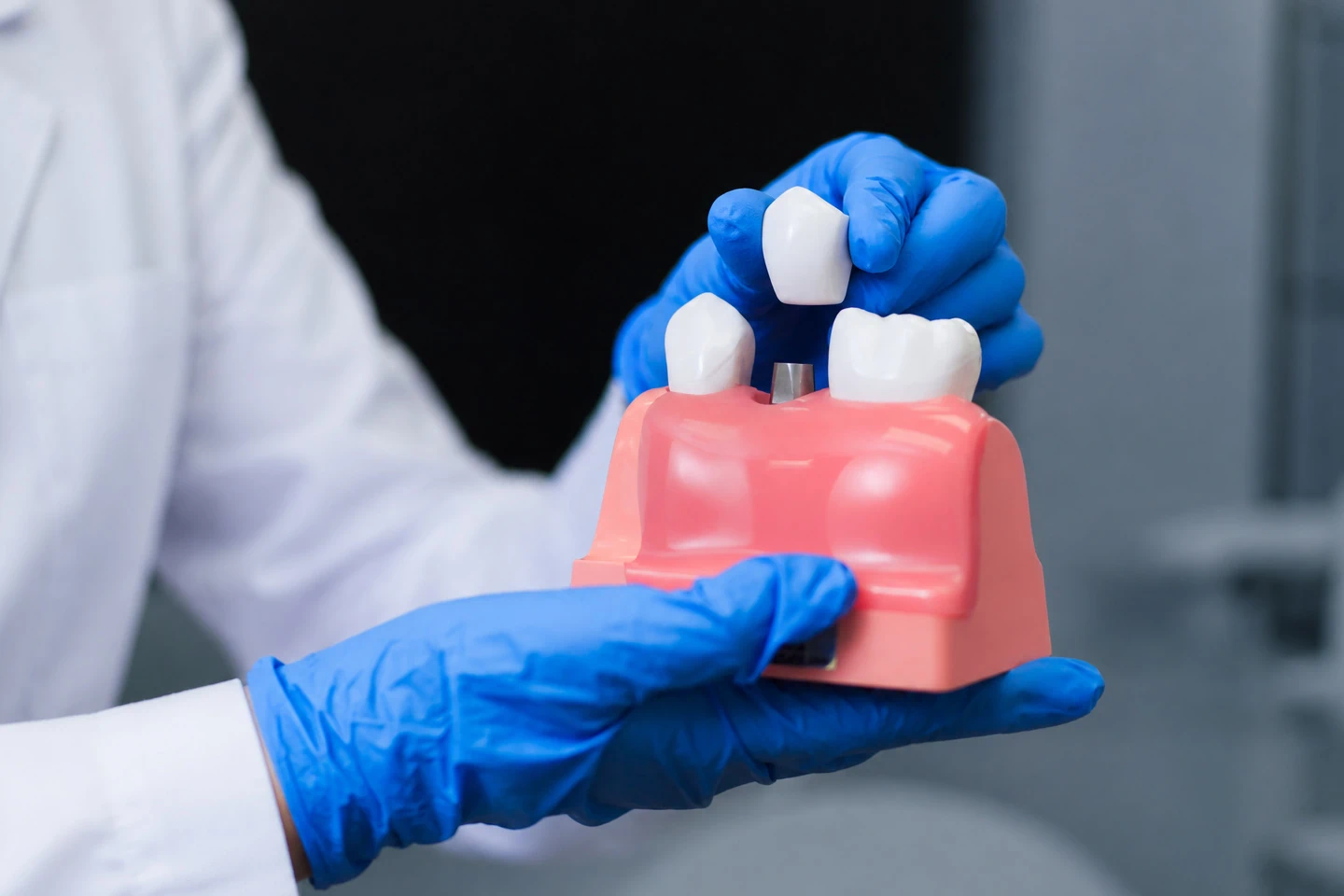
A lot of people do not realize how much a bad tooth can impact their day-to-day life until they are dealing with constant pain or a broken smile. Brushing and flossing every day goes a long way, but sometimes a tooth just takes too much damage from regular wear and tear or a deep cavity. When that happens, getting a dental crown is usually the best option to fix the tooth so it looks and works like normal again.
To put it simply, a crown is just a custom-made cap that fits right over a damaged tooth to keep it safe from breaking. Most dentists suggest getting one if you have a cracked tooth, a huge cavity, heavy wear from grinding, or if you have just finished getting a root canal. If your teeth have been hurting when you chew or if you can visibly see a tooth changing shape, it is a good idea to pay attention to those signs early. If you wait too long, a small issue can easily turn into a much bigger dental emergency.
Here at Springfield Dental, we get a lot of questions from patients looking into dental crowns in Springfield, MA, about how to actually know when they need one. The truth is, we have to look at your teeth in person to give you an official recommendation, but there are a few really common warning signs you can keep an eye out for on your own.
What Is a Dental Crown and Why Is It Used?
You can think of a dental crown as a tooth-shaped protective cap that fits securely over a damaged or weakened tooth. Its job is to restore the tooth's shape, size, and function while blending in naturally with the rest of your smile.
A dentist might recommend a crown for several reasons, such as:
- Protecting a cracked or fragile tooth from splitting further
- Restoring a tooth that has a large, failing filling
- Reinforcing a tooth after a root canal procedure
- Improving the look of misshapen or deeply discolored teeth
- Serving as the anchor teeth for a dental bridge
- Topping off a dental implant
Today's crowns are crafted from high-quality materials like porcelain, ceramic, zirconia, or porcelain-fused-to-metal. The ideal choice for your smile generally depends on where the tooth is located, how your bite aligns, and your personal goals.
Many people looking into dental crowns in Springfield, MA, prefer this option because it relieves daily discomfort while saving as much of the natural tooth structure as possible.
Persistent Tooth Pain
Ongoing pain or sensitivity is often one of the first clues that a tooth needs a crown. You might notice a sharp ache or dull throb when you chew, bite down, or enjoy hot and cold drinks.
This kind of discomfort usually stems from a few specific issues:
- Deeply rooted decay that has reached past the surface
- A structural crack hidden in the tooth
- Severely worn-down enamel
- Old, oversized fillings that have weakened the surrounding tooth
- Constant pressure from chronic teeth grinding
When a filling is simply too large, it stops providing the structural support your tooth needs to handle everyday chewing. A crown steps in to hold everything together, lowering the risk of a deeper fracture. Catching this persistent discomfort early at Springfield Dental can save you from needing more complex treatments down the road.
Cracked or Fractured Teeth
Teeth can chip or fracture for all sorts of reasons, from sports injuries and accidental bites on hard foods to regular nighttime grinding. While some cracks are easy to spot in the mirror, others stay hidden and only cause a sharp twinge when you bite down a certain way.
Even tiny fractures can spread if they are left unprotected. A crown is a great solution here because it completely surrounds the tooth, locking it in place and distributing the heavy pressure of your bite much more evenly.
Some classic signs of a cracked tooth include:
- A sharp, sudden pain when you bite into food
- Lingering sensitivity to hot or cold temperatures
- Discomfort that comes and goes without a clear pattern
- Minor swelling in the gums right around the tooth
- Intuitively avoiding chewing on one side of your mouth
Taking care of a cracked tooth quickly is incredibly important, as untreated fractures can let bacteria slip inside, leading to painful infections or even tooth loss. Patients considering dental crowns in Springfield, MA, are often relieved to learn that a timely crown can actually save a tooth that might otherwise need to be pulled.
Large Fillings May Leave Teeth Vulnerable
Dental fillings are excellent for managing small cavities, but extra-large fillings can leave the rest of your natural tooth structure quite fragile. Over time, the constant stress of chewing can cause the remaining tooth walls to fracture, which happens frequently with back molars.
It might be time to transition from a filling to a crown if you notice:
- Tiny fractures forming in the tooth structure around the filling
- A sudden increase in temperature sensitivity
- A dull ache whenever you chew
- Visible wear and tear on the tooth surface
- Small pieces of the filling material chipping away
When there just isn't enough healthy enamel left to support another filling, a custom crown provides the long-term stability your tooth needs. Upgrading a weakened tooth with a dental crown at Springfield Dental is a great way to protect your bite and keep your day-to-day routine completely comfortable.
Teeth Worn Down From Grinding
Teeth grinding and jaw clenching, also known as bruxism, can quietly flatten your enamel and alter the shape of your teeth over time. Because this usually happens while you sleep, many people don't even realize they are doing it.
Years of unmanaged grinding can eventually cause:
- Flattened or unusually short teeth
- Heightened generalized sensitivity
- Chipped or ragged enamel edges
- Regular jaw soreness or morning headaches
- Noticeable changes in how your bite fits together
In moderate to advanced cases, dental crowns are used to rebuild the height of worn teeth, protecting the inner nerves and restoring your proper bite alignment. To keep your new restorations safe from future wear, your dentist will often recommend wearing a comfortable, custom nightguard. Many patients exploring dental crowns in Springfield, MA, discover that addressing this wear early protects both their oral health and the natural look of their smile.
Root Canal Treatment
Once a tooth undergoes a root canal, it naturally becomes a bit more brittle because the inner pulp and blood supply have been removed. Back teeth take on the brunt of your chewing forces, so they almost always need a little extra reinforcement to stay intact.
Placing a crown after a root canal is standard care because it:
- Keeps the remaining tooth structure safe from fractures
- Significantly lowers the risk of the tooth splitting under pressure
- Fully restores your ability to chew your favorite foods without worry
- Provides lasting durability for years to come
While front teeth don't always require a crown after a root canal, molars and premolars almost always benefit from the added defense. At Springfield Dental, we personalize every single treatment plan based on the position of the tooth, its current condition, and your unique goals.
Cosmetic Concerns
While crowns are designed to restore health and function, they are also an excellent tool for enhancing the visual side of your smile. A crown can completely transform teeth that are affected by:
- Deep, stubborn discoloration that professional whitening can't fix
- Naturally irregular or misshapen structures
- Advanced wear and tear
- Obvious surface damage or chips
- Old, dark metal restorations that affect your confidence
If you are dealing with a mix of structural issues and cosmetic concerns, crowns offer a beautiful way to create a more uniform, balanced look. Patients researching dental crowns in Springfield, MA often appreciate that modern dental materials mirror the look of natural enamel perfectly, meaning your crown looks just like a healthy tooth.
Restore and Protect Your Smile at Springfield Dental
Dealing with a fragile or damaged tooth can take a real toll on your daily comfort, your favorite meals, and your confidence. A custom dental crown is a tried-and-true way to bring back that strength, protect your natural smile, and get you back to feeling like yourself.
At Springfield Dental, we provide personalized evaluations and care plans tailored right to your unique needs. Whether you are dealing with an old, cracked filling, a fractured molar, or advanced enamel wear, our team is here to help you get your smile back on track.
If you are currently dealing with tooth pain or think a tooth might be damaged, reach out to schedule a visit so we can explore if a dental crown is the right step for you.
FAQs About Dental Crowns
Q: How long do dental crowns usually last?
A: Dental crowns can last for a decade or longer. Their lifespan mostly depends on your daily oral hygiene, how much wear they take from chewing or grinding, and the material used. Regular cleanings and daily flossing play a huge role in keeping them strong.
Q: Are dental crowns painful to get?
A: Not at all. The process is very similar to getting a standard filling. Local anesthesia is used to completely numb the area while the tooth is being shaped, so you can sit back and relax comfortably throughout the appointment.
Q: Can a dental crown look natural?
A: Yes, modern dental crowns look incredibly lifelike. Materials like porcelain and ceramic are carefully color-matched to the exact shade of your surrounding teeth, meaning most people won't ever notice you have a crown.
Q: Do dental crowns require special care?
A: You can care for your crown just like your natural teeth. Regular brushing, daily flossing, and routine dental visits are all it takes. It is also a smart idea to avoid biting directly into exceptionally hard items like ice or hard candies.
Q: Can a crown fix a cracked tooth?
A: In many cases, yes. If the crack lives entirely in the upper part of the tooth, a crown will hold the structure together and stop the split from spreading. However, if a crack goes below the gumline, your dentist will talk through other options with you.
Q: Is a crown better than a filling?
A: It really comes down to how much healthy tooth structure is left. A small cavity is best served with a simple filling. But if a tooth has lost more than half of its natural structure or is heavily fractured, a crown provides the wrap-around protection a filling simply can't offer.

We are committed to providing high-quality dental care personalized to each patient's needs, using the latest technology and techniques.


OVERVIEW
SERVICES
OFFICE HOURS
Mon - Fri: 9:00 am - 05:00 pm
Saturday : By Appointment
Sunday : Holiday
Privacy Policy | © 2025 Springfield Dental | All rights reserved | Digital Marketing by Remedo