
Tooth-Colored Fillings: A Natural-Looking Solution for Cavities
Aug 25, 2026
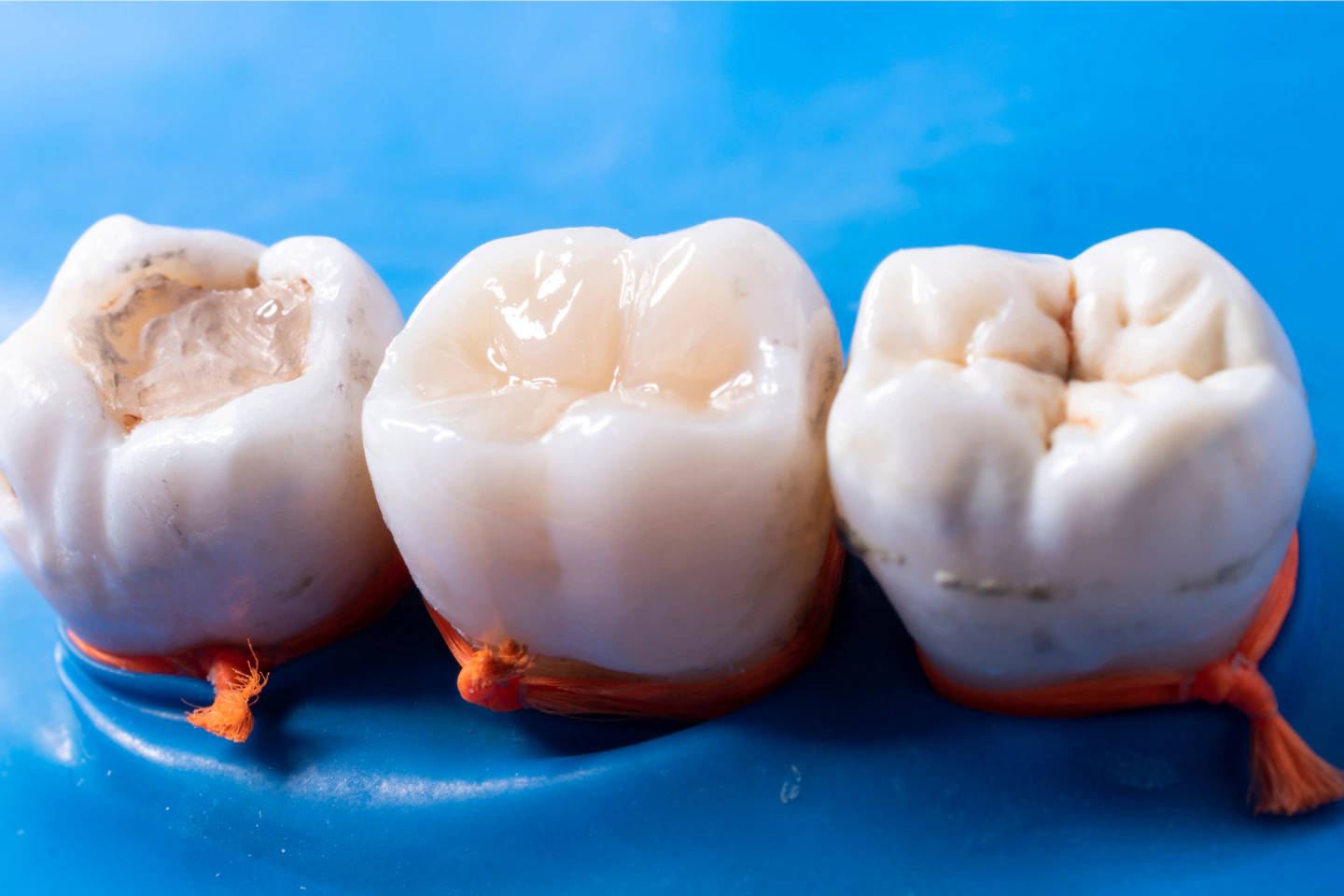
Finding out you have a cavity is never the highlight of a dental visit, but the good news is that filling it doesn't have to mean a mouthful of visible metal anymore. Tooth-colored fillings have become the go-to option for a lot of patients who want their cavity treated without anyone else noticing it was ever there. If you're curious about how these fillings work, how they compare to older options, and what to expect at your appointment, here's everything worth knowing.
What Are Tooth-Colored Fillings, Exactly?
Tooth-colored fillings are made from a composite resin material that's shaded to match your natural tooth color, so once placed, they blend right in rather than standing out the way silver amalgam fillings tend to. This composite material is applied directly to the tooth after the decayed portion is removed, then hardened using a special curing light, bonding it securely to the remaining healthy tooth structure. Because the material bonds directly to the tooth rather than just sitting in the cavity space, tooth-colored fillings can also require removing slightly less of the natural tooth compared to some traditional filling methods.
Why So Many Patients Are Choosing Tooth-Colored Fillings Over Metal
The obvious reason is appearance, and that matters a lot to people, especially for fillings placed in teeth visible when they smile or talk. But cosmetics aside, there are practical reasons too. Composite resin bonds directly to tooth structure, which can help support the remaining tooth rather than just filling a hole. Tooth-colored fillings also don't contain mercury, which some patients prefer to avoid for personal reasons, even though traditional amalgam fillings have long been considered safe by major health organizations. For a lot of people considering tooth-colored fillings in Springfield, MA, the decision really comes down to wanting a natural look without sacrificing durability.
Are Tooth-Colored Fillings as Durable as Metal Fillings?
This is a fair question, since durability matters just as much as appearance. Modern composite materials have improved significantly over the years and hold up well for small to medium-sized cavities, particularly in areas that don't bear the heaviest chewing forces. For larger cavities or teeth that take on a lot of bite pressure, like back molars, your dentist might discuss whether a filling is still the right choice or whether something like a crown would offer more long-term support. Generally speaking, with good oral hygiene and regular checkups, tooth-colored fillings can last quite a while, though lifespan varies based on location in the mouth and individual habits like grinding.
What Happens During a Tooth-Colored Filling Procedure?
The appointment usually starts with numbing the area around the affected tooth, followed by removal of the decayed portion using a dental drill. Once the tooth is clean, your dentist applies the composite resin in thin layers, shaping it to match the natural contours of your tooth and curing each layer with a specialized light before adding the next. After the filling reaches the right shape and thickness, your dentist checks your bite to make sure everything feels comfortable, then polishes the surface so it blends smoothly with the rest of your tooth. Most tooth-colored filling appointments are completed in a single visit, which is a relief for anyone trying to fit a dental appointment into a busy schedule.
Does Getting a Tooth-Colored Filling Hurt?
Most patients find this procedure fairly comfortable thanks to local anesthesia used before the decayed portion is removed. Some mild sensitivity to hot, cold, or pressure is common for a day or two afterward, especially if the cavity was on the deeper side, but this typically settles down on its own. If sensitivity lingers much longer than a few days or feels like it's getting worse rather than better, it's worth mentioning to your dentist so they can check that everything is settling properly.
How Do You Know If You Need a Filling in the First Place?
Cavities don't always come with obvious symptoms early on, which is one reason regular checkups matter so much. Some signs worth paying attention to include sensitivity to sweet, hot, or cold foods, visible dark spots on a tooth, or a rough texture you can feel with your tongue. Sometimes a cavity is only caught during a routine exam and X-ray, before it's progressed far enough to cause noticeable discomfort. Catching decay early generally means a smaller, simpler filling rather than a more involved procedure down the road.
Caring for Your Tooth-Colored Filling Long Term
Taking care of a tooth-colored filling is really no different than caring for the rest of your teeth. Regular brushing and flossing help prevent new decay from forming around the filling, and routine dental checkups let your dentist monitor how the filling is holding up over time. It's worth being mindful of habits like chewing on ice or using your teeth to open packaging, since these can chip or wear down a filling faster than normal use would. Reducing sugary and acidic foods also supports the longevity of both your filling and your natural teeth surrounding it.
Ready for a Natural-Looking Fix? Contact Springfield Dental
If you think you might have a cavity or you're curious about replacing an old metal filling, the team at Springfield Dental is here to help. Patients looking into tooth-colored fillings in Springfield, MA appreciate having a straightforward conversation about their options before any treatment begins. Reach out today to schedule an appointment and learn more about tooth-colored fillings in Springfield, MA.
FAQs About Tooth-Colored Fillings
Q: Are tooth-colored fillings noticeable compared to natural teeth?
A: When properly shaded and shaped, tooth-colored fillings are designed to blend in closely with the surrounding tooth, making them far less noticeable than traditional metal fillings.
Q: How long do tooth-colored fillings typically last?
A: Many tooth-colored fillings last several years or longer with proper care, though lifespan depends on factors like location in the mouth, oral hygiene habits, and whether grinding or clenching is a factor.
Q: Can an old metal filling be replaced with a tooth-colored one?
A: In many cases, yes. Your dentist can evaluate the existing filling and the health of the surrounding tooth to determine if replacing it with a tooth-colored filling makes sense for your situation.
Q: Is the procedure for a tooth-colored filling different from a traditional filling?
A: The overall process is similar, involving removal of decay and placement of filling material, though composite fillings are applied in layers and cured with a special light rather than simply packed into place.
Q: Will my insurance cover tooth-colored fillings?
A: Coverage varies by plan and by the location of the tooth being treated. Checking with your insurance provider or our office ahead of time can help clarify what your specific plan covers.

We are committed to providing high-quality dental care personalized to each patient's needs, using the latest technology and techniques.


OVERVIEW
SERVICES
OFFICE HOURS
Mon - Fri: 9:00 am - 05:00 pm
Saturday : By Appointment
Sunday : Holiday
Privacy Policy | © 2025 Springfield Dental | All rights reserved | Digital Marketing by Remedo