
Tooth Replacement Options - Questions to Ask Your Dentist
Nov 10, 2026
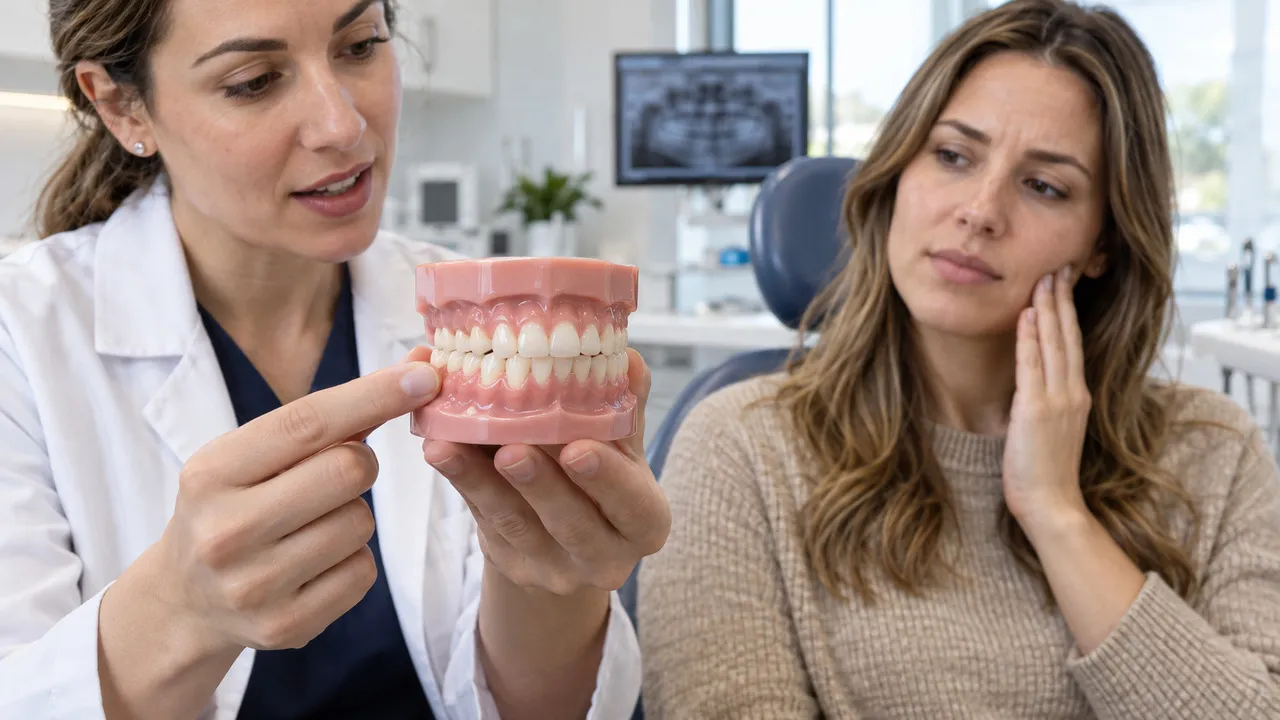
Ask your dentist which tooth replacement options suit your mouth and why, how long each one lasts, what the process involves, what it costs, and what care it needs afterward. Those five questions cover most of what people regret not asking. If you are weighing tooth replacement options in Springfield, MA, a few thoughtful questions can turn a confusing decision into a clear one.
Losing a tooth can leave you with more questions than answers. Maybe it was an injury, a long standing problem, or an extraction that did not feel like your choice. Either way, you now have a handful of options, and each comes with its own pros, cons and price tag. You do not have to sort it out alone.
What Are the Main Tooth Replacement Options for Missing Teeth?
Before you can ask good questions, it helps to know what is on the table. Most dentists discuss three main categories.
- Dental implants: A small titanium post is placed in the jawbone and topped with a crown. Implants are designed to work like a natural tooth root, and they can replace one tooth or support several. You can read more about dental implants and how the process works at our office.
- Dental bridges: A bridge fills the gap with an artificial tooth held in place by crowns on the neighboring teeth. It is a fixed option that does not need surgery in the jaw.
- Dentures and partial dentures: Removable appliances that replace several or all missing teeth. Full dentures replace an entire arch, while partials fill in around your remaining natural teeth.
There are variations of each, such as implant supported dentures, immediate dentures placed right after extractions, and resin bonded bridges. Which one suits you depends on your health, your remaining teeth, your jawbone and your goals.
How Do the Options Compare at a Glance?
A dental implant is fixed in the jawbone, so it does not depend on the neighboring teeth, but it involves minor oral surgery and several stages of treatment. A dental bridge is also fixed and avoids surgery in the jaw, though it relies on the neighboring teeth for support, and those teeth are usually crowned to hold it. Dentures and partial dentures are generally removable and tend to suit situations where several or all teeth are missing. They usually take a few fitting visits, and partials may clasp onto remaining natural teeth. Implant supported dentures are the exception, since they are anchored to implants rather than resting on the gums alone. Think of this as a starting point for your conversation, not a verdict, because your dentist can tell you where you land after an exam.
Why Should You Replace a Missing Tooth at All?
It is natural to wonder whether a gap is worth addressing, especially if it is toward the back and not very visible. Many dentists encourage replacement for a few reasons.
When a tooth is missing, neighboring teeth may slowly drift toward the space, and the opposing tooth can shift as well. That can change your bite and make cleaning harder. The jawbone under a missing tooth may also lose volume over time because it no longer receives the stimulation a tooth root provides. Chewing comfort and speech can be affected too, depending on which tooth is missing.
None of this needs to feel urgent or scary. It simply explains why dentists like to talk through replacement early and thoughtfully, so you have time to choose well.
Which Tooth Replacement Option Is Right for Me?
This is usually the first question to ask, and it works better as an open question than as a request for one treatment. You might say, based on my health and my mouth, which options could work for me, and why? That invites your dentist to explain the reasoning instead of simply recommending one choice.
A good answer will usually consider how many teeth are missing, where they are, the health of your gums and jawbone, and the condition of the neighboring teeth. It may also take your overall health into account. Conditions such as diabetes and habits like smoking can affect healing. Ask your dentist to walk you through two or three realistic options so you can compare them side by side.
What If the Tooth Still Needs to Come Out?
If a damaged tooth has not been removed yet, ask how the timing works. Sometimes replacement planning starts before an extraction so your dentist can protect the bone and plan the next step. Ask whether you will have a temporary tooth in the meantime.
How Long Will Each Tooth Replacement Option Last?
Longevity is a fair thing to ask about, though no one can promise an exact timeline. Many dental implants are designed to be a long term solution, and with good care they may last many years. Bridges often serve well for many years but may need replacement eventually. Dentures typically need relining, adjusting or remaking over time as the mouth changes.
Ask your dentist what could influence how long your choice lasts. Oral hygiene, regular checkups, bite habits and whether you grind your teeth can all play a role. Keeping up with routine preventive checkups helps your dentist catch small problems early. You can also ask what maintenance looks like year to year, so there are no surprises later.
What Will the Process and Timeline Look Like?
Some options move faster than others, and it is worth knowing what you are signing up for.
- Implants: These often involve several stages, including an exam and imaging, placement of the implant, a healing period and then the final crown. The whole process may span several months. If you would like a plain language walkthrough, our post on giving your smile a second chance with dental implants is a good place to start.
- Bridges: These typically take a few appointments over a few weeks, as the neighboring teeth are prepared and the bridge is made in a lab.
- Dentures: These usually involve impressions, try in appointments and adjustments, and the timeline varies depending on whether extractions are needed first.
Ask how many visits to expect, whether you will have a temporary tooth in the meantime, and what recovery looks like. These details help you plan around work, family and travel.
Will My Jawbone and Gums Support the Option I Prefer?
Ask this before you fall in love with one choice. Implants need enough healthy bone and gum tissue to hold the post. Bridges need strong neighboring teeth. Dentures need a stable fit against the gums or support from remaining teeth.
If bone has been lost, your dentist may talk about a bone graft or a different option altogether. That is not a setback. It is simply part of building a plan that holds up over time. Ask what imaging or exams your dentist needs to answer this question properly, and ask to see the results so you understand them.
What Will It Cost and Will Insurance Help?
Cost is a big part of the decision, and there is no shame in asking about it directly. Ask for a written estimate that breaks down each stage of treatment, including exams, imaging, placement and final restorations. Ask what happens to the estimate if your plan changes along the way.
You can also ask how your insurance may apply. Dental plans differ widely, and some cover part of bridges or dentures but limit coverage for implants. Our office can help you check your benefits, and you can see the plans we work with on our insurance page. If cost is a concern, ask about payment plans or financing, and whether a phased approach could work. Honest conversations about money lead to better plans.
What Questions Should You Ask About Comfort, Risks and Aftercare?
Every treatment has things to weigh, and a good dentist will talk about them openly. Consider asking:
- What are the possible risks or side effects? Understanding what may happen helps you feel prepared.
- Will I need additional procedures, like a bone graft or an extraction? Some situations need extra steps before replacement.
- How will you keep me comfortable? If dental visits make you nervous, say so. Our post on dental anxiety covers what helps, and options such as nitrous oxide can be part of the conversation.
- What will recovery feel like? Ask what is normal, and when to call the office.
- How will I clean my new tooth or appliance? Each option has a slightly different care routine, and regular exams and cleanings stay important afterward.
- What happens if I choose to wait? It helps to know whether a delay changes your options.
Bringing a list to your appointment, or even a notes app on your phone, keeps the conversation focused and helps you remember the answers later.
A Quick Checklist to Bring to Your Appointment
- Which two or three options could work for my mouth, and why?
- Do I have enough bone and healthy gums for each one?
- How many visits will I need, and will I have a temporary tooth?
- What does the written estimate include, and how does my insurance apply?
- What are the risks, and what does recovery involve?
- How do I care for it, and how often will I need follow up visits?
Schedule a Tooth Replacement Consultation at Springfield Dental in Springfield, MA
Choosing how to replace a missing tooth is a personal decision, and you deserve answers that make sense. At Springfield Dental, our team will listen to your concerns, explain your choices in plain language and help you weigh each option without pressure. We are at 606 Sumner Ave, and you can call (413) 334-8377 or contact us online to book a visit.
Tooth Replacement FAQs
Q. What is the most common way to replace a missing tooth?
Dental implants, bridges and dentures are the most common choices. The best fit depends on your oral health, the number of missing teeth, your budget and your personal preferences.
Q. Do I have to replace a missing tooth right away?
Not always, but many dentists recommend discussing it sooner rather than later, since neighboring teeth and the bite can shift over time. Your dentist can help you decide on a timeline.
Q. Are dental implants better than bridges?
Neither is better for everyone. Implants do not rely on neighboring teeth for support, while bridges avoid jaw surgery and may be quicker. Your dentist can explain how each compares for your situation.
Q. Can I get a temporary tooth while I wait?
Often yes. Many offices can provide a temporary option, such as a removable partial or a temporary bridge, so you do not have to go without a tooth during treatment.
Q. Will my replacement tooth look natural?
Modern materials and careful shade matching can help restorations blend in with your natural teeth. Your dentist can show you examples and explain what to expect.
Q. How much does tooth replacement cost?
Cost depends on the option, the number of teeth, any extra procedures and your insurance. Ask for a written estimate that lists each stage so you can compare options fairly.
Q. Does insurance cover tooth replacement?
Coverage varies by plan. Some plans cover part of bridges or dentures but limit implant coverage. Our office can help you review your benefits before you start.

We are committed to providing high-quality dental care personalized to each patient's needs, using the latest technology and techniques.


OVERVIEW
SERVICES
OFFICE HOURS
Mon - Fri: 9:00 am - 05:00 pm
Saturday : By Appointment
Sunday : Holiday
Privacy Policy | © 2025 Springfield Dental | All rights reserved | Digital Marketing by Remedo